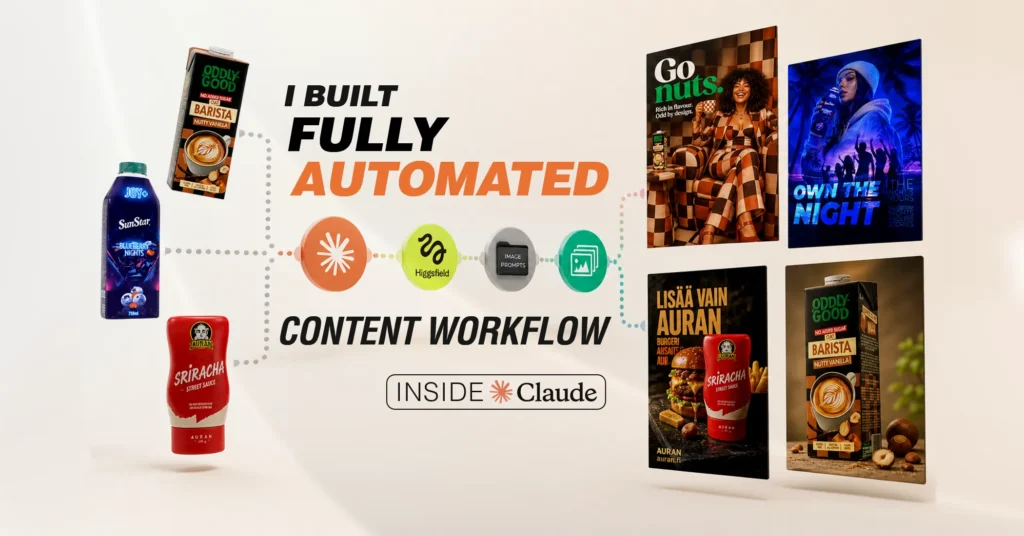
Lately, my mornings have started in a way that would have sounded completely ridiculous a few years ago.
I wake up, grab my phone, and message Claude.
Not because I’m being productive. Not because I have some deep emotional bond with my chatbot. Just because I want to activate the 5-hour usage window as early as possible.
Yes, this is my life now.
The new morning ritual
For the past few weeks, I’ve been using AI heavily for automation, coding, and day-to-day productivity. Claude has become one of my main work tools. The problem is, when you’re moving fast and deep in the flow, hitting a usage limit in under an hour feels less like a technical restriction and more like someone unplugging your brain mid-sentence.
And then comes the best part: the waiting.
You sit there knowing the reset clock is running, but not fast enough for your ambition. So I developed a survival strategy: trigger the session early in the morning, so at least if I crash into the wall later, the reset comes earlier too. It sounds absurd, but heavy AI users will understand this immediately.
From prompts to workflows
A while ago, the big skill was prompt engineering. Everyone talked about writing the perfect prompt, structuring every sentence like you were negotiating with a genie. Now the models are much better, and natural language gets you surprisingly far. But in exchange, a new skill is taking over:
Workflow engineering.
Because today the challenge is not only getting a good answer. It’s getting good answers efficiently, without burning through your limits, your credits, or your budget.
That’s where things get interesting.
AI can now do incredible work. You can build agents, automate routines, delegate repetitive tasks, and create systems that save hours of effort. But if you don’t design that workflow carefully, those same systems can eat tokens like they’re at an all-you-can-eat buffet. Then suddenly you’re stuck with two classic options:
- Wait for the reset and stare dramatically into the distance.
- Or pay for extra usage and pretend this was part of the plan all along.
I’ve done both.
And honestly, that experience changed how I think about these tools. The real game is no longer just “Which model is smartest?” It’s also “Which tool fits which task, at what cost, under what limit, and with what tradeoff?”
Loyal to results, not to tools
That’s why I think one of the most practical skills right now is knowing how to combine these platforms well. Not being loyal to one tool. Not forcing one model to do everything. But understanding each one’s strengths, weaknesses, limits, pricing, and ideal use case, then building your own stack around that.
Because let’s be honest: most users are not loyal to AI platforms. They are loyal to results.
The moment one tool becomes too limited, too expensive, or too slow for the job, people switch. And the companies know it. You can see it in the constant competition, pricing moves, usage updates, and feature rollouts. The AI space is starting to feel less like software selection and more like strategic resource management.
So yes, I still wake up and send that message early. Not out of love. Out of scheduling discipline. Or maybe survival.
And sometimes I miss the old days, when the first thing you did in the morning was just go to the bathroom instead of opening your phone and thinking about token limits.
But here we are.
In this new world, AI is not just about asking better questions anymore. It’s about building better systems around the answers.