Four Brands, One Color, and the World Cup's Quietest Marketing Mistake
Fifa World Cup 2026 Marketing Mistake
June 16, 2026
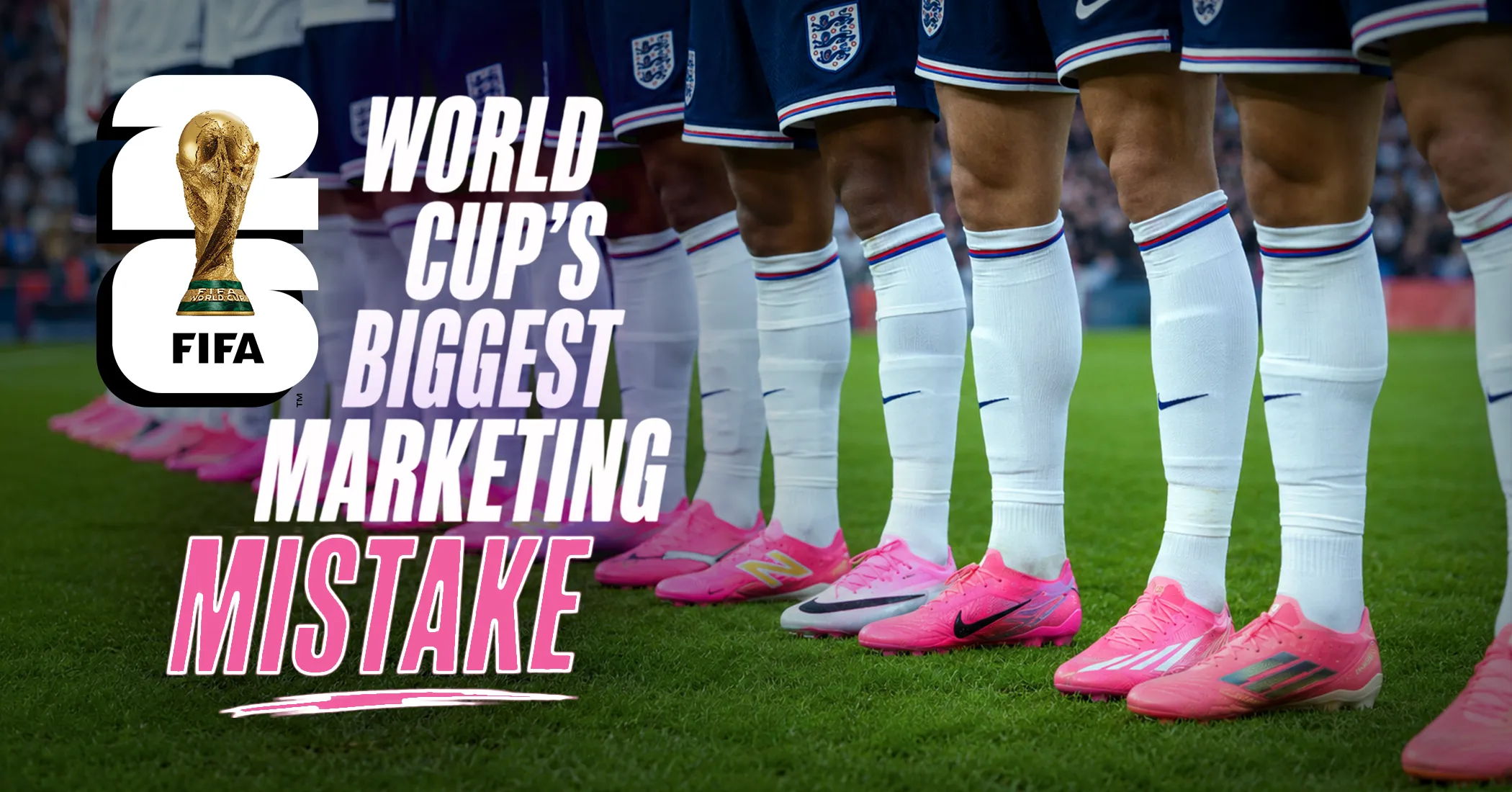
If you’ve been watching the World Cup, you’ve probably noticed something odd: almost every player on the pitch is wearing bright pink cleats. At first it looks like a trend, or maybe even a rule. It isn’t. It’s four rival brands making the same expensive mistake at exactly the same time.
Here’s why it matters.
The World Cup is the single biggest showcase in sport. Hundreds of millions of people watching, every boot on camera for ninety minutes a match. For a sportswear company, this is the launch window you build a whole year around. So each one shows up with a special collection: its newest silhouette, its loudest colorway, the thing it wants you to remember long after the final whistle.
This year the lineup looked like this:
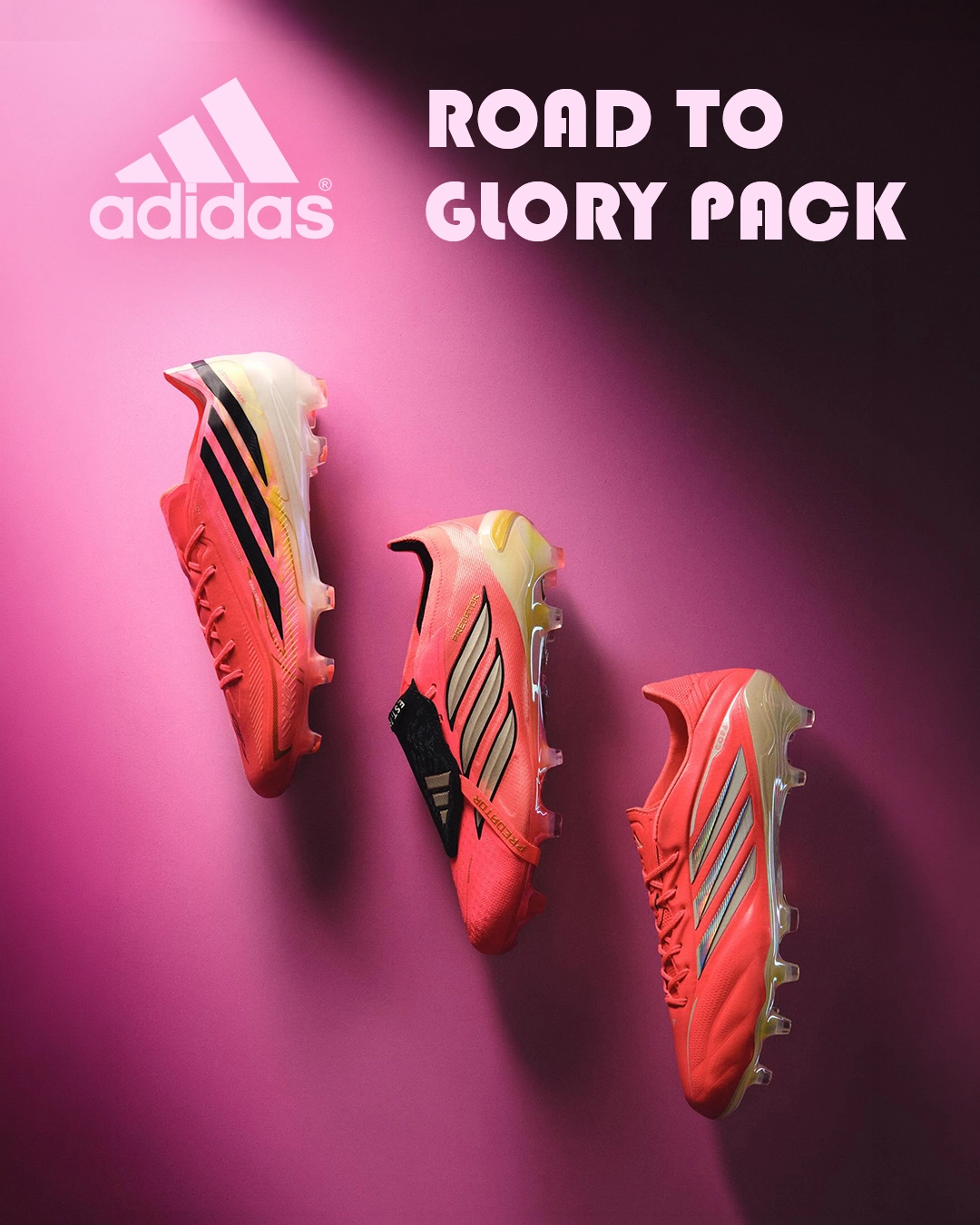
Adidas: Road to Glory pack
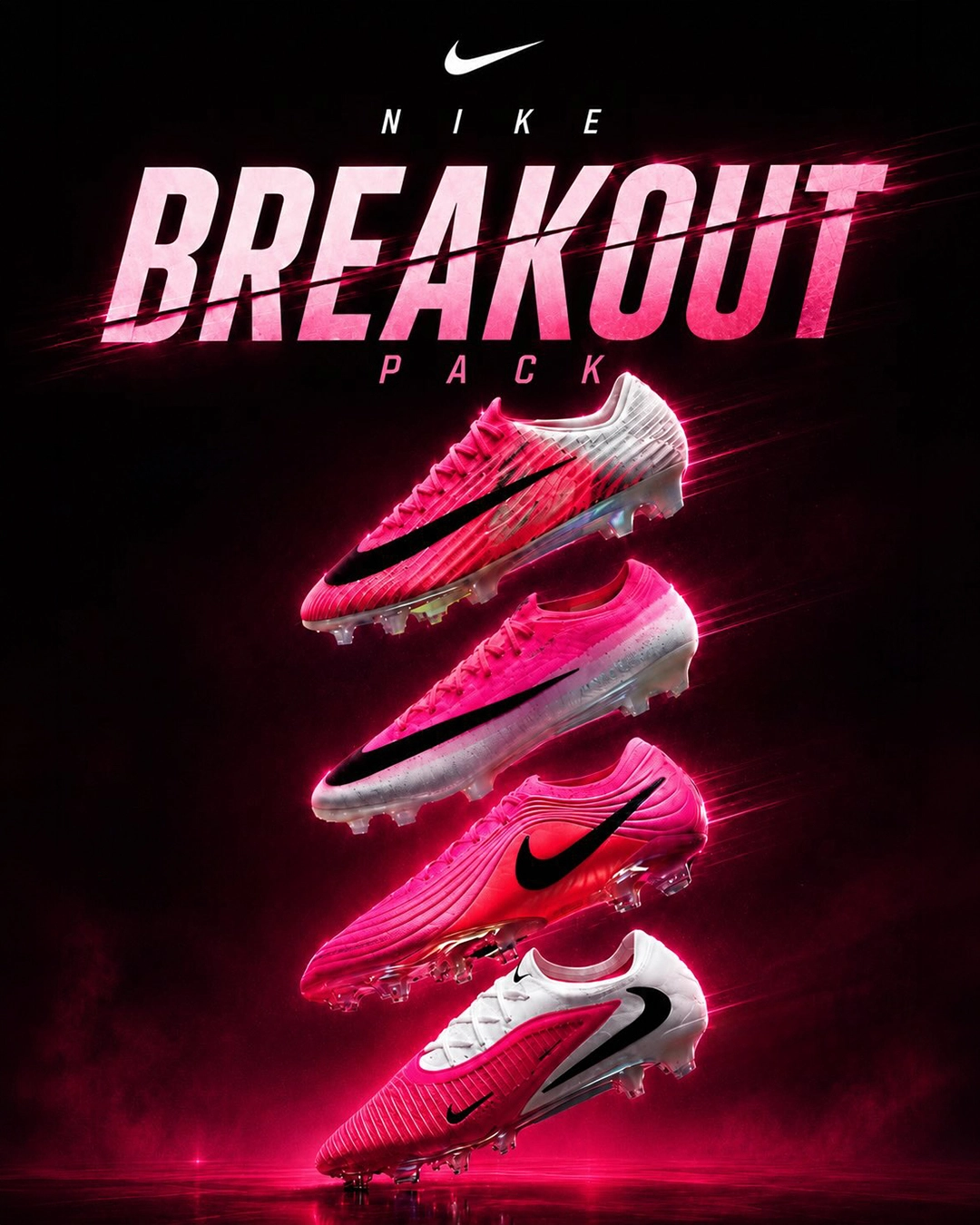
Nike: Breakout pack
Puma: Showtime pack
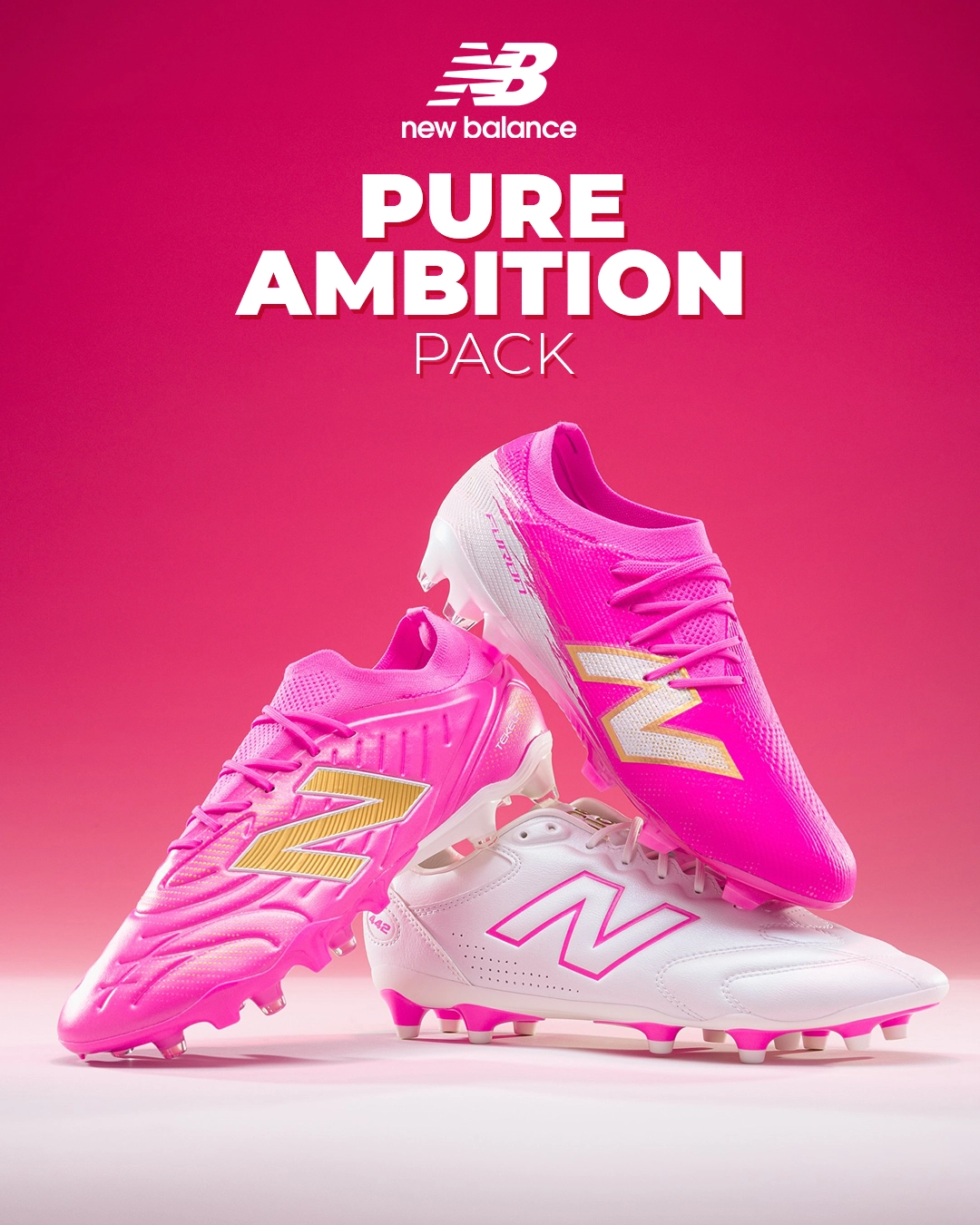
New Balance: Pure Ambition pack
Four flagship drops. Four different names. Months of design, materials, and marketing spend behind each one. And all four, independently, landed on essentially the same shade of pink.
The strategy
How they landed on pink
To be clear, none of these brands did anything dumb in isolation. Reaching for a loud color is exactly how you win a crowded frame. Pink pops hard against green grass, so the boot grabs your eye the instant a player walks into the shot. That’s the entire point of launching here, maximum attention on the product, in front of the largest audience the sport ever gets.
“
And the choice wasn’t random. Odinga Nimako, a senior figure on Nike’s global football footwear team, told The Athletic that surging demand for bolder colors is what pushed the brand toward pink for the World Cup. “What we’ve been hearing consistently from the athlete and the consumer, especially when it comes to big moments, is that bright colors give them confidence, so that was really our starting point,” he said. The team then zeroed in on the brightest, most confidence-amplifying colors they could find, “and pink is one of those colors.”
It’s sound reasoning. The problem is that every other brand was reading the same signals from the same athletes and consumers, and arriving at the same answer. Standing out was the whole strategy. They just all picked the identical way to do it.
The backfire
Why it backfired anyway
The catch is that the trick only works when you’re the only one using it.
Standing out is relative, not absolute. When one boot on the pitch is bright pink, it’s a magnet. Your eye goes straight to it. When all twenty-two are pink, the color stops being a signal and quietly becomes the background. Your brain files “pink boots” as simply what boots look like now, and moves on without registering whose they are.
So the contrast each brand paid for cancels out. The color that was meant to separate them ends up blending them together, the exact outcome every one of them was spending to avoid. You stop seeing four brands competing for your attention and start seeing one undifferentiated wall of pink.
The lesson
The takeaway past the cleats
There’s a marketing lesson here that has nothing to do with football.
Visibility and distinctiveness are not the same thing. You can be impossible to miss and still be impossible to remember. A loud color, a bold campaign, a clever launch. None of it works if everyone in your category reaches for the same lever on the same day. A lever everyone pulls stops being a lever.
The bottom line
The brands that win a moment like this aren’t the loudest. They’re the ones willing to look different from everyone else who’s also trying hard to stand out. This year, on the biggest stage in the sport, four companies proved the point by accident, and the only thing anyone will remember is that all the boots were pink.