Building an AI Social Media Content Pipeline in Claude Cowork
AI Social Media Content Workflow
May 26, 2026
I Built a Content Factory Inside Claude. Here Is What Happened.
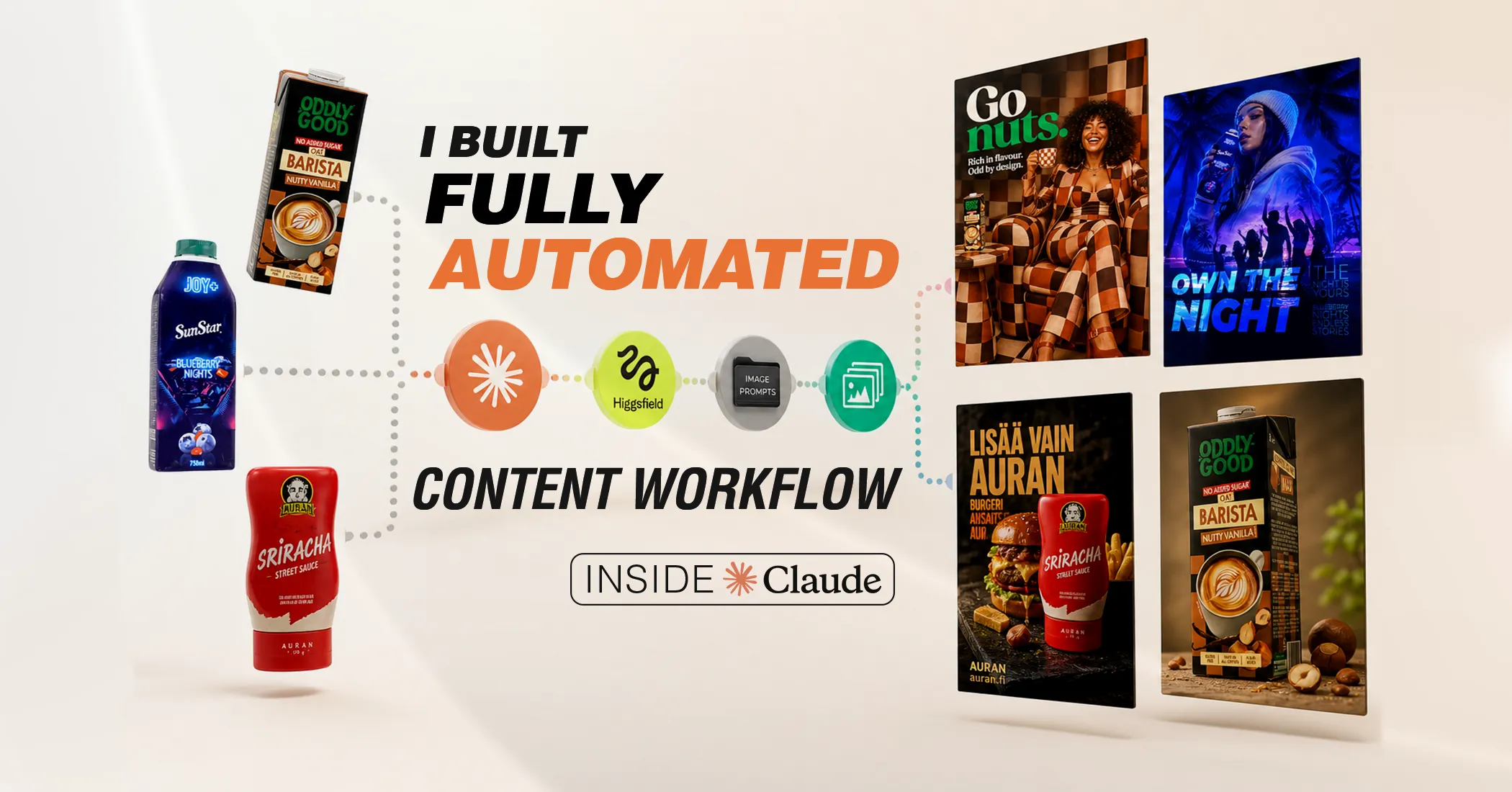
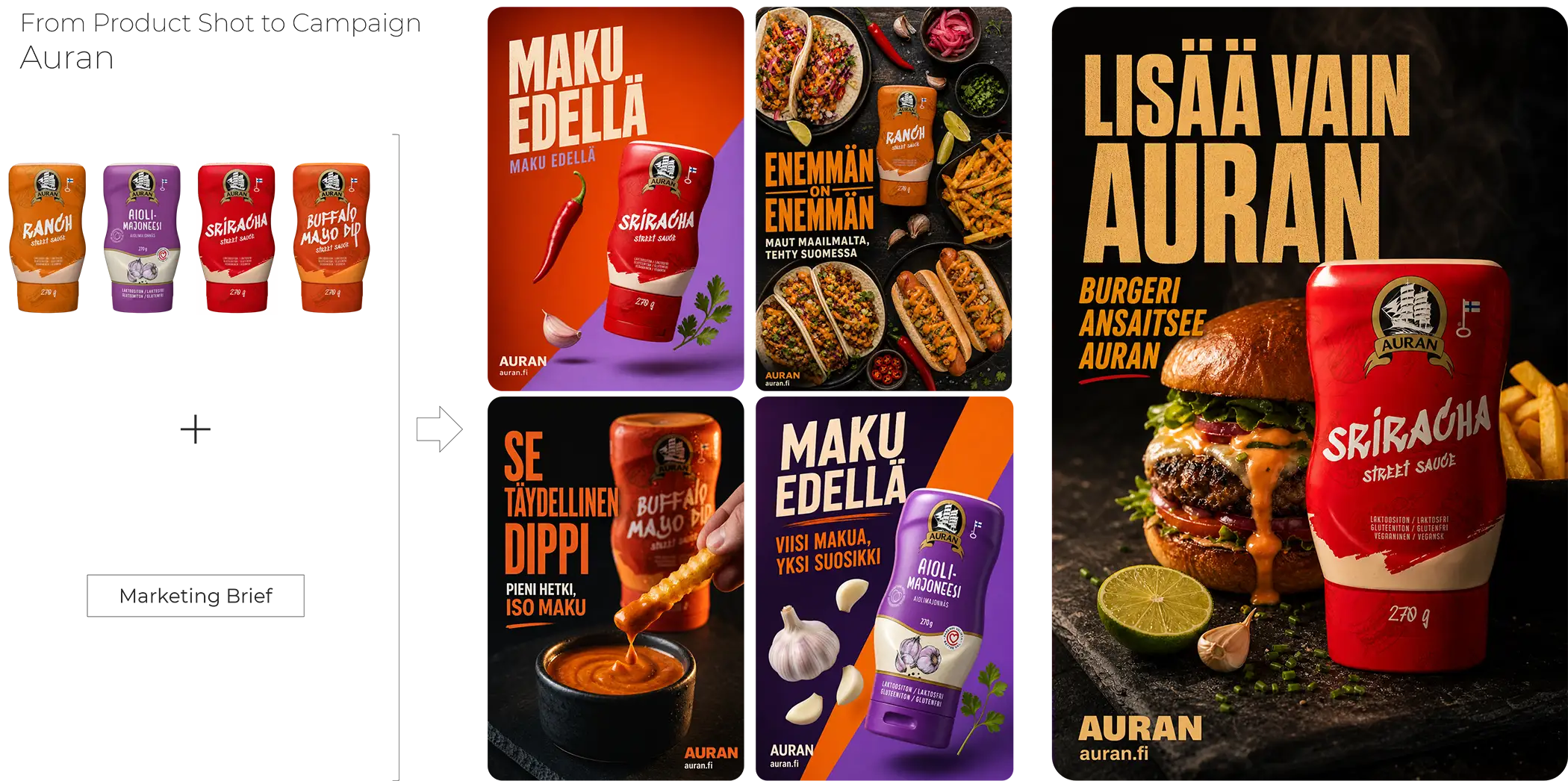
I wasn’t sure it would produce anything usable. The plan was almost too simple to trust: drop a brand’s raw materials into a folder, walk away, and let an automated pipeline carry everything from plain product photos to finished, designed assets without me touching four different tools along the way.
It worked. And it kept working better the more I refined it.
The Setup
Higgsfield had just released their MCP connector. Claude’s Cowork automation was already strong at running multi-step jobs inside a single conversation. I decided to wire the two together and see how far the whole thing could be pushed.
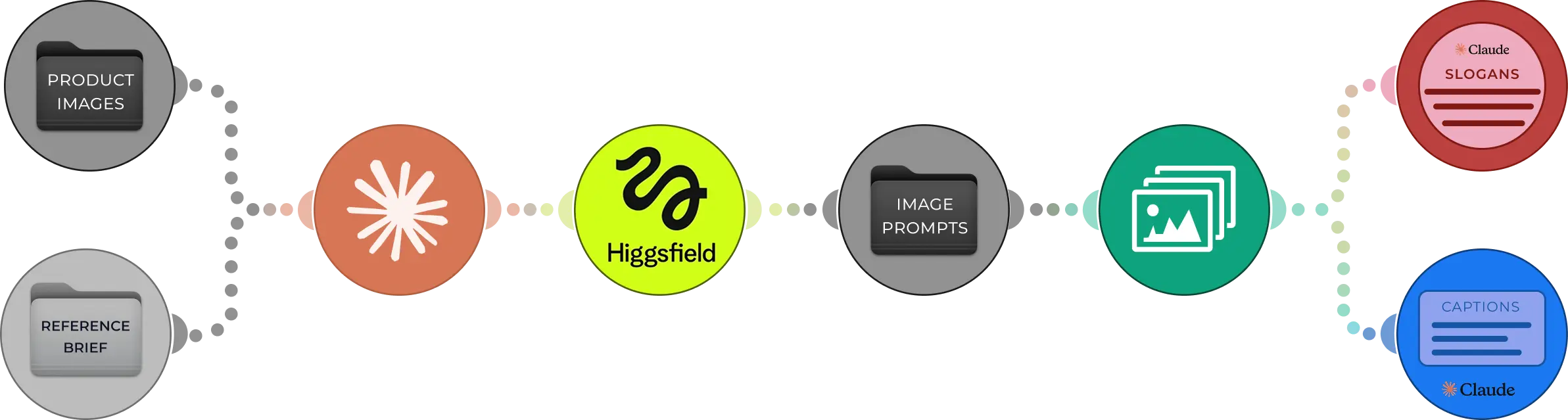
What came out of it is something I have started calling a content factory. You feed it a starting point, and it handles the rest. That starting point can be:
- A website link
- An Instagram handle
- A few product photos
- A creative brief
- Or any combination of them
How It Actually Runs
At its core, this is a social media content production pipeline that runs end to end without you stitching tools together. You give it a starting point and it builds from there. It asks a few questions up front about the brief, the tone, and whether you want to feed in a website URL, a social media account, or reference images for the brand. Everything it gathers gets read and understood before a single prompt reaches an image model, so the creative direction is set before any generation begins.
From there it moves through a short interview rather than a long form — three or four questions about mood, lighting, and style: lifestyle, bold, editorial, minimalist. Then the job goes to Higgsfield through the MCP connector, and the images come back in the same chat. No new tab, no re-upload, no re-entry. You review, request edits, and iterate without leaving the conversation.
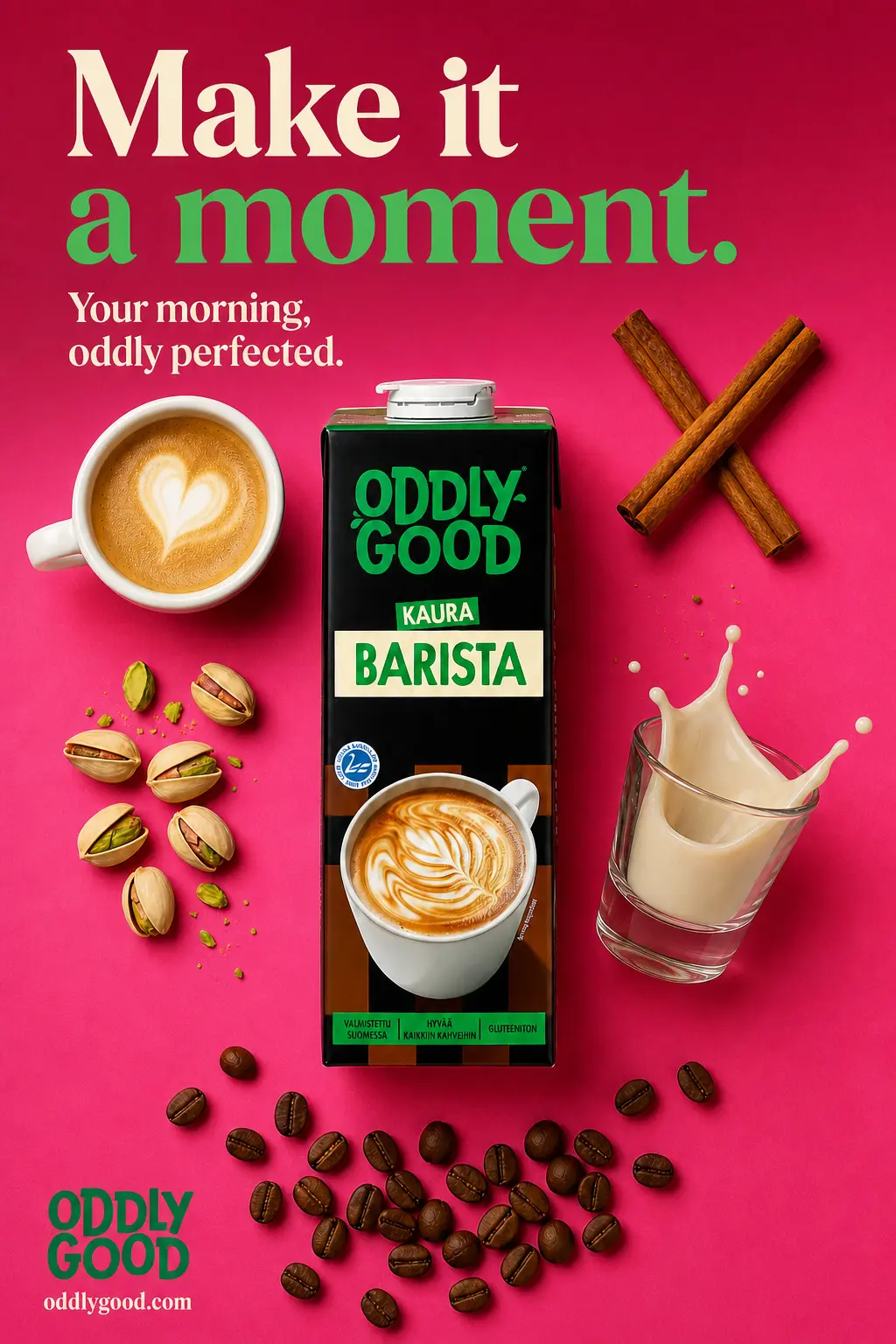
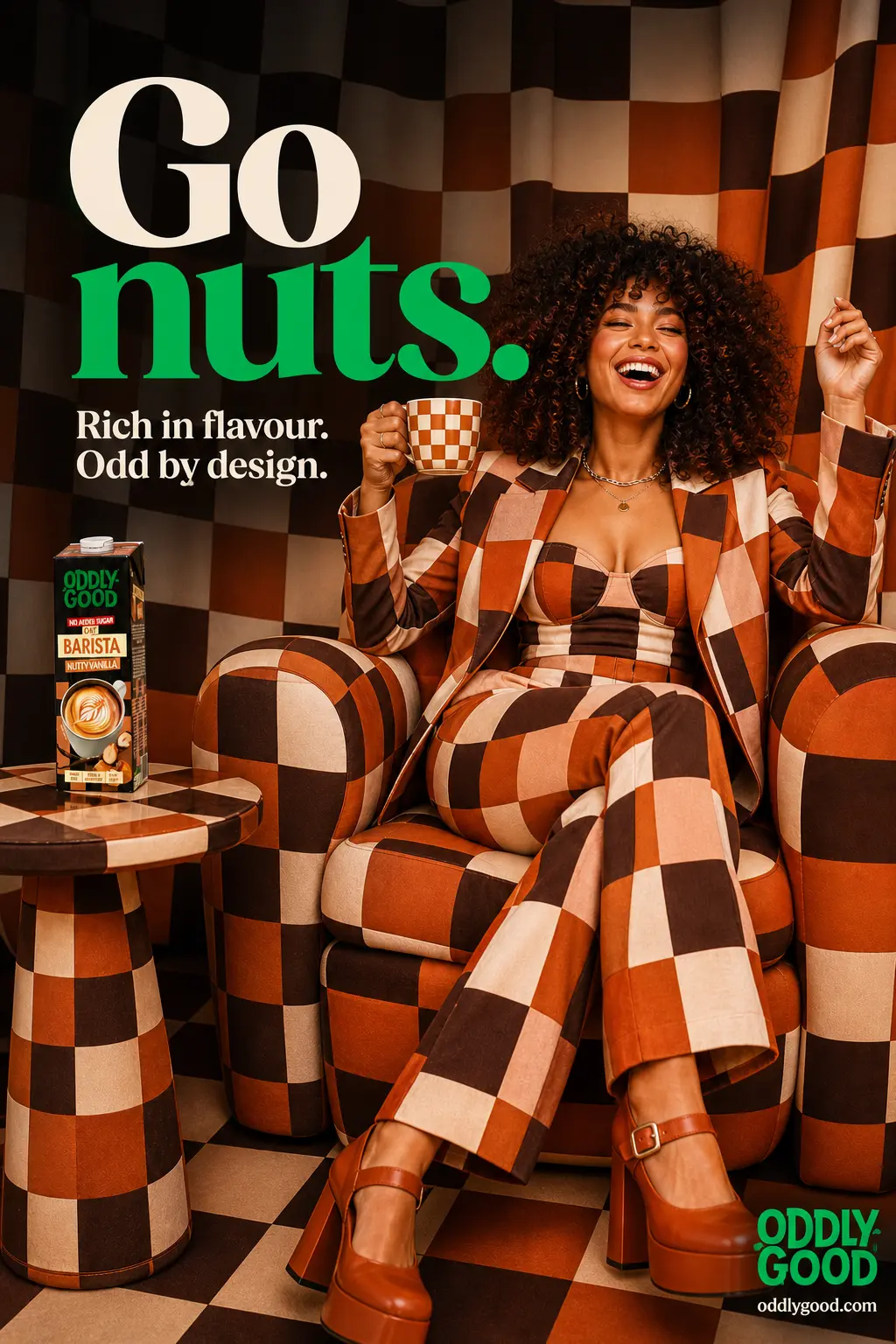
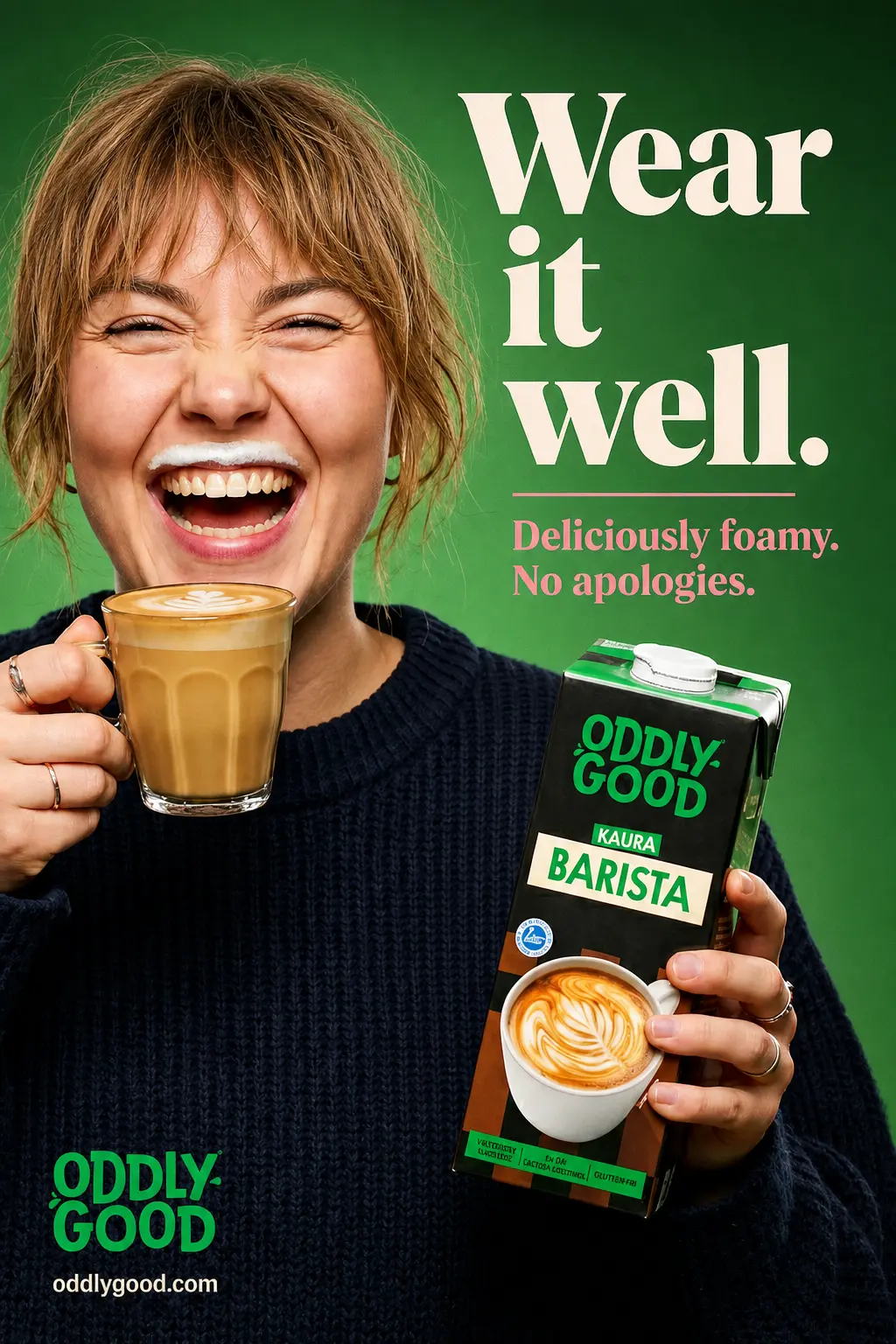
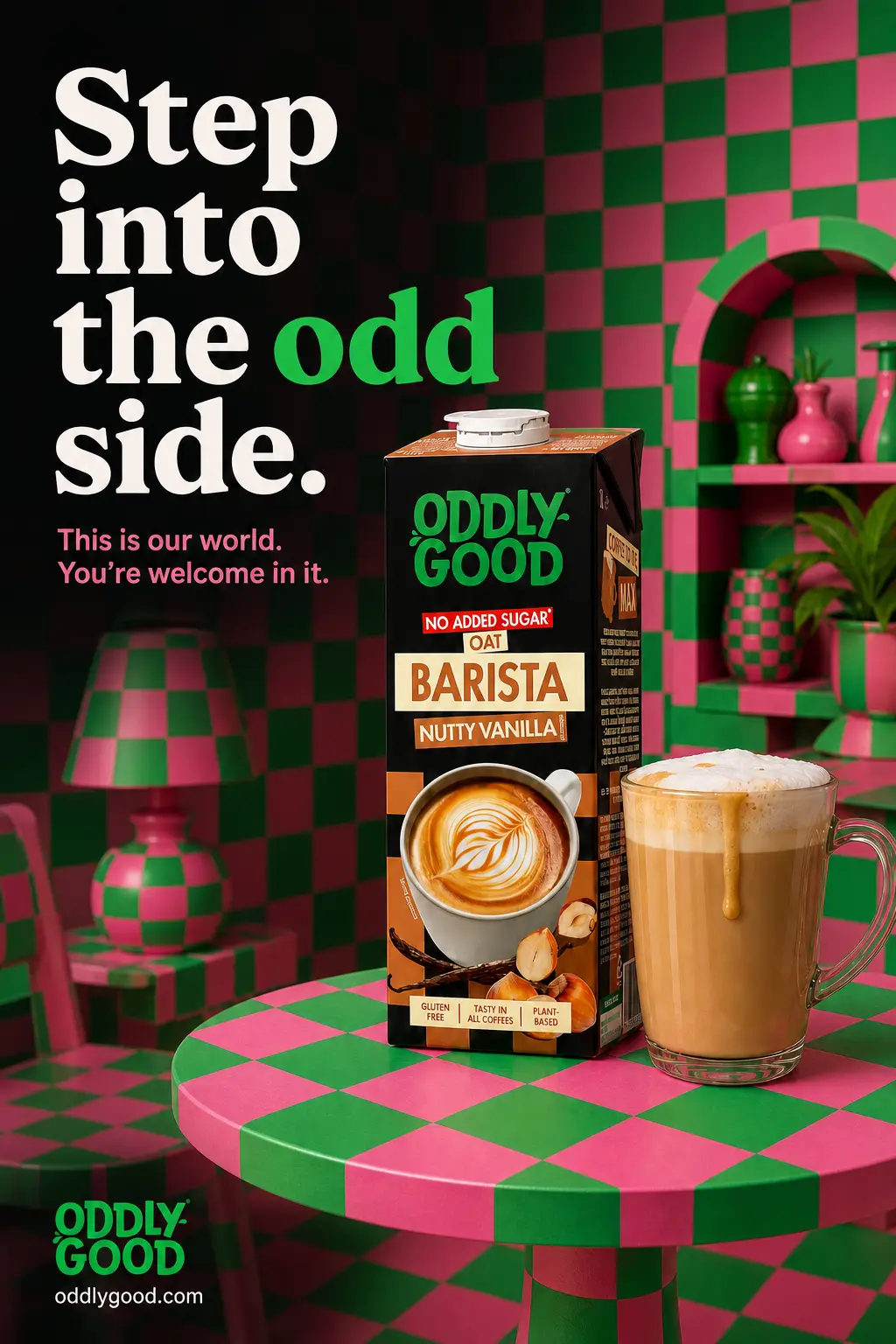
Once the visuals are right, a slogan is written for each image individually, captions are drafted for whichever platforms you need, and Claude connects to Canva or a creative connector, picks a template, and produces a finished poster with the brand colors and slogan already embedded.
Two kinds of output come out the other end:
- Clean social posts with ready-to-paste captions.
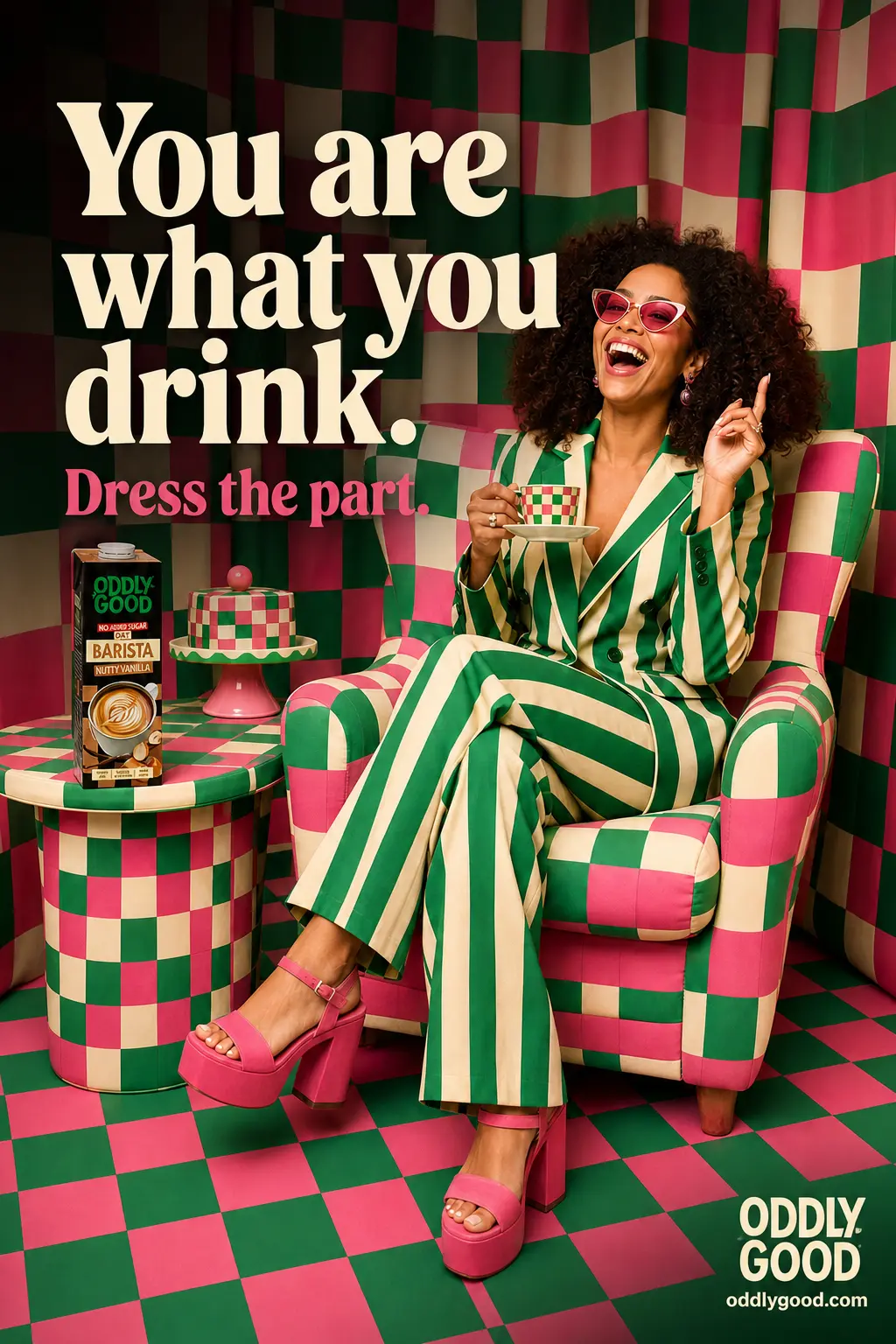
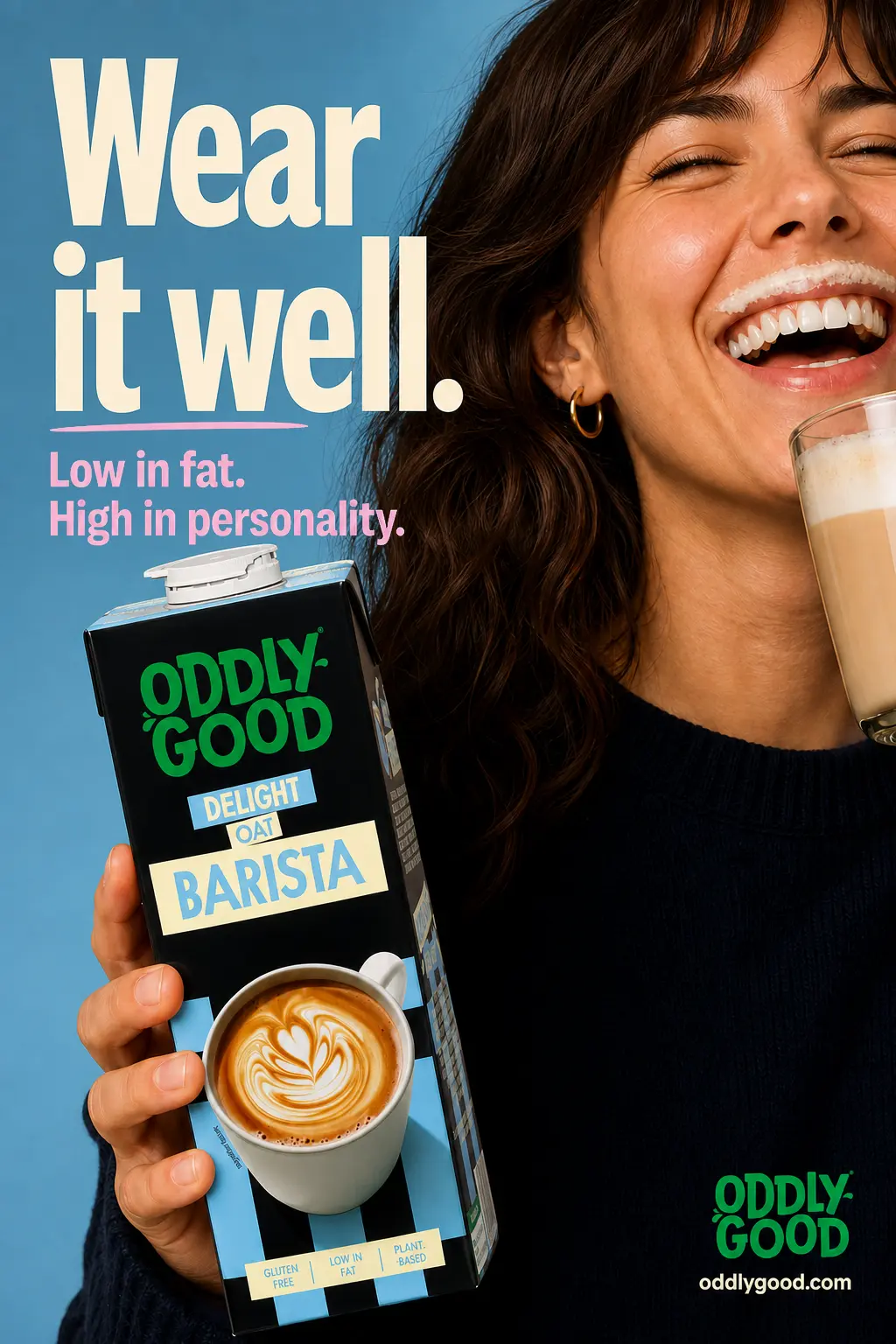
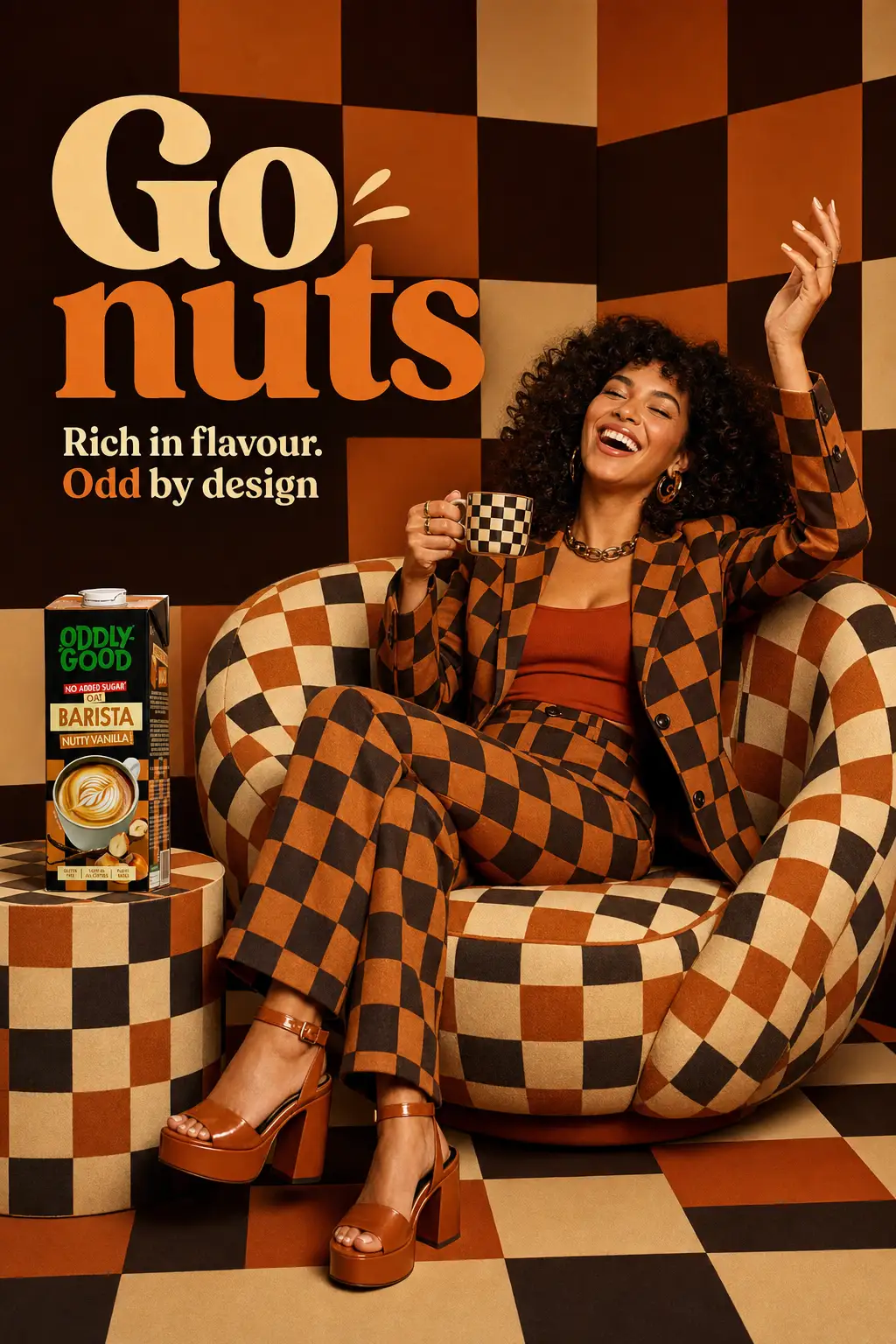
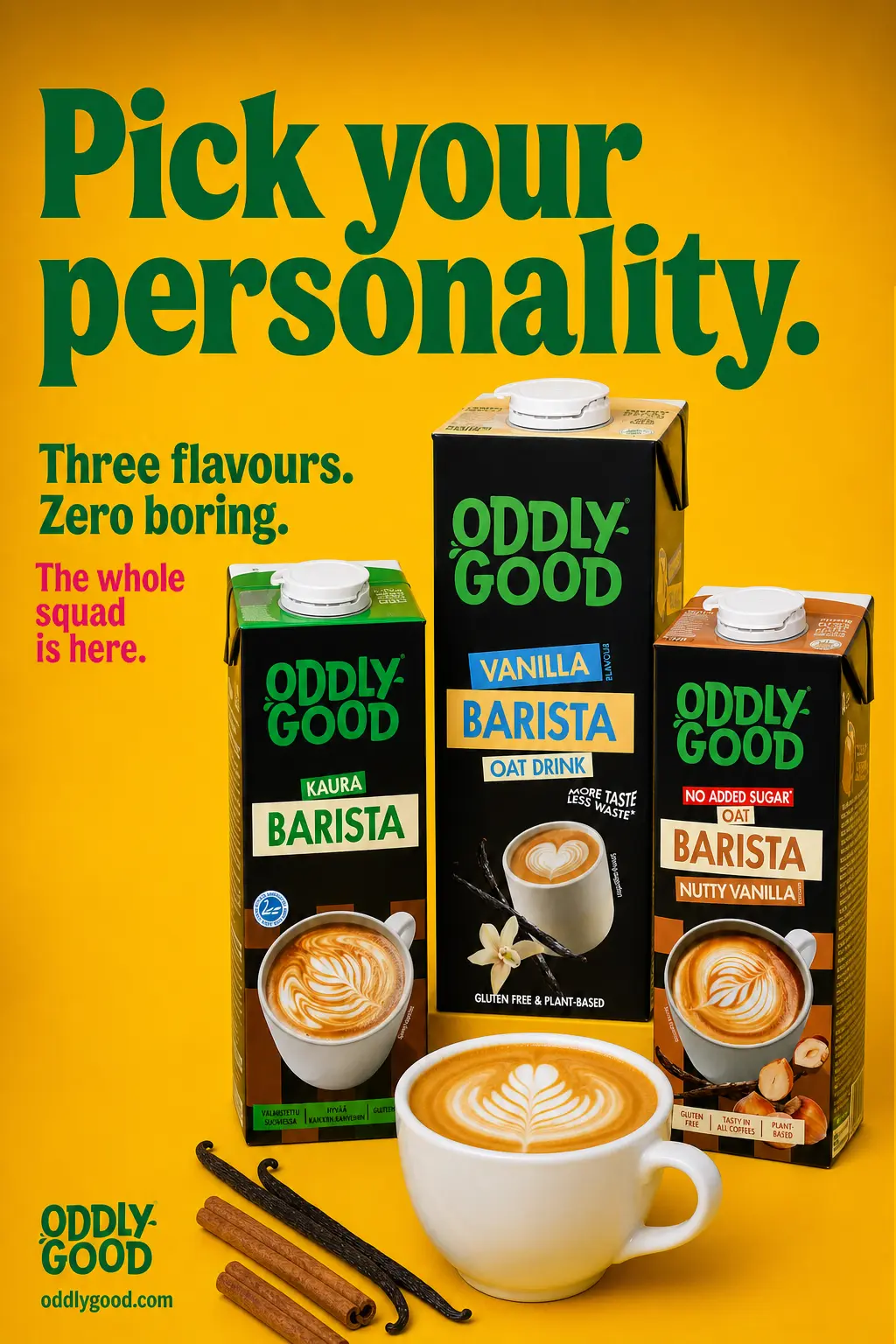
- Finished ad concepts — the slogan placed directly into the visual, ready for paid social, landing pages, in-store displays, or print.
The Part That Took the Most Work
The brief format. Loosely written briefs produced images that held brand consistency for the first two or three outputs, then drifted. The fix was explicit hex codes, named visual references, and a short list of what to avoid. That alone held consistency across a full batch instead of a handful of frames.


The Part That Got Me
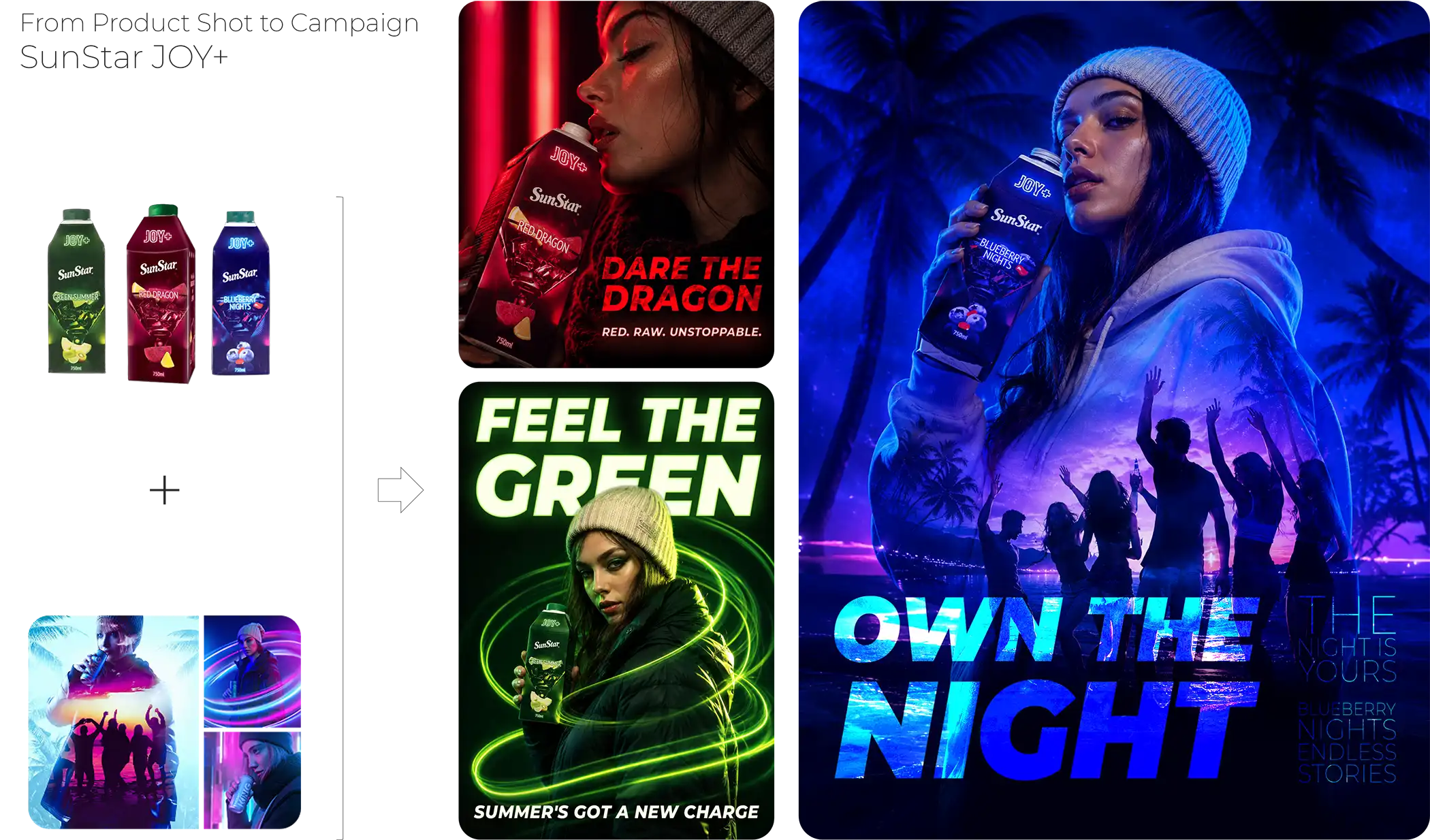
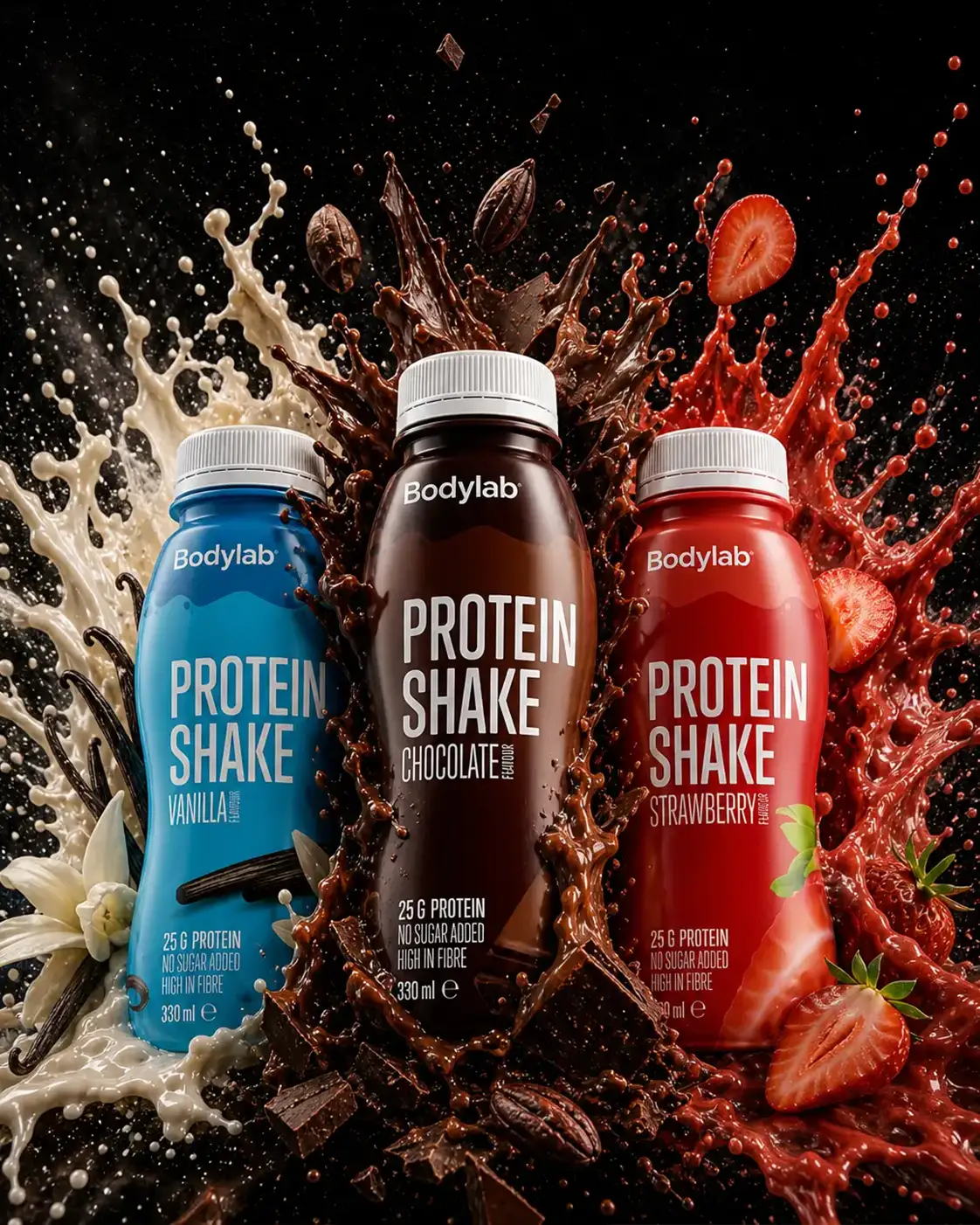
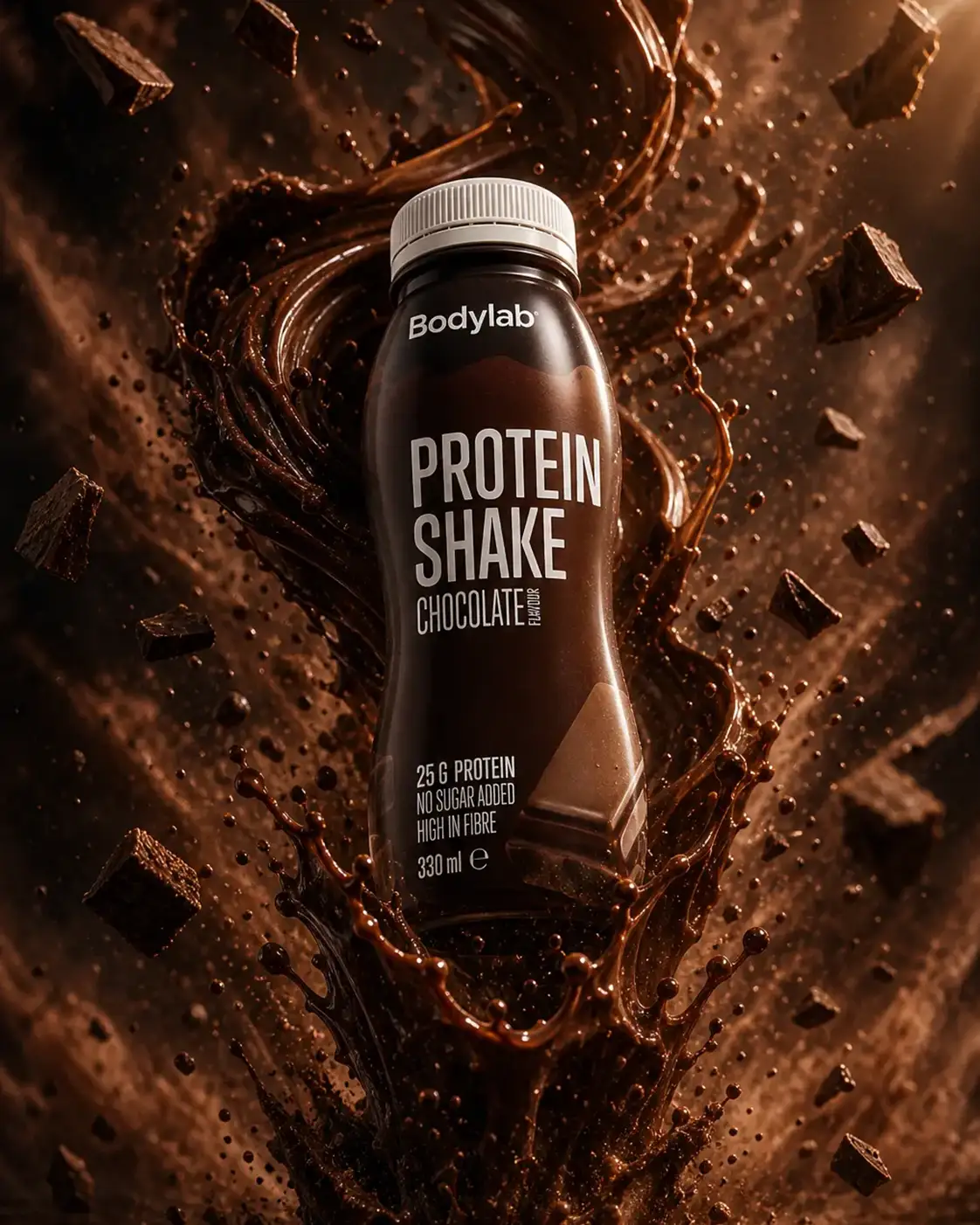
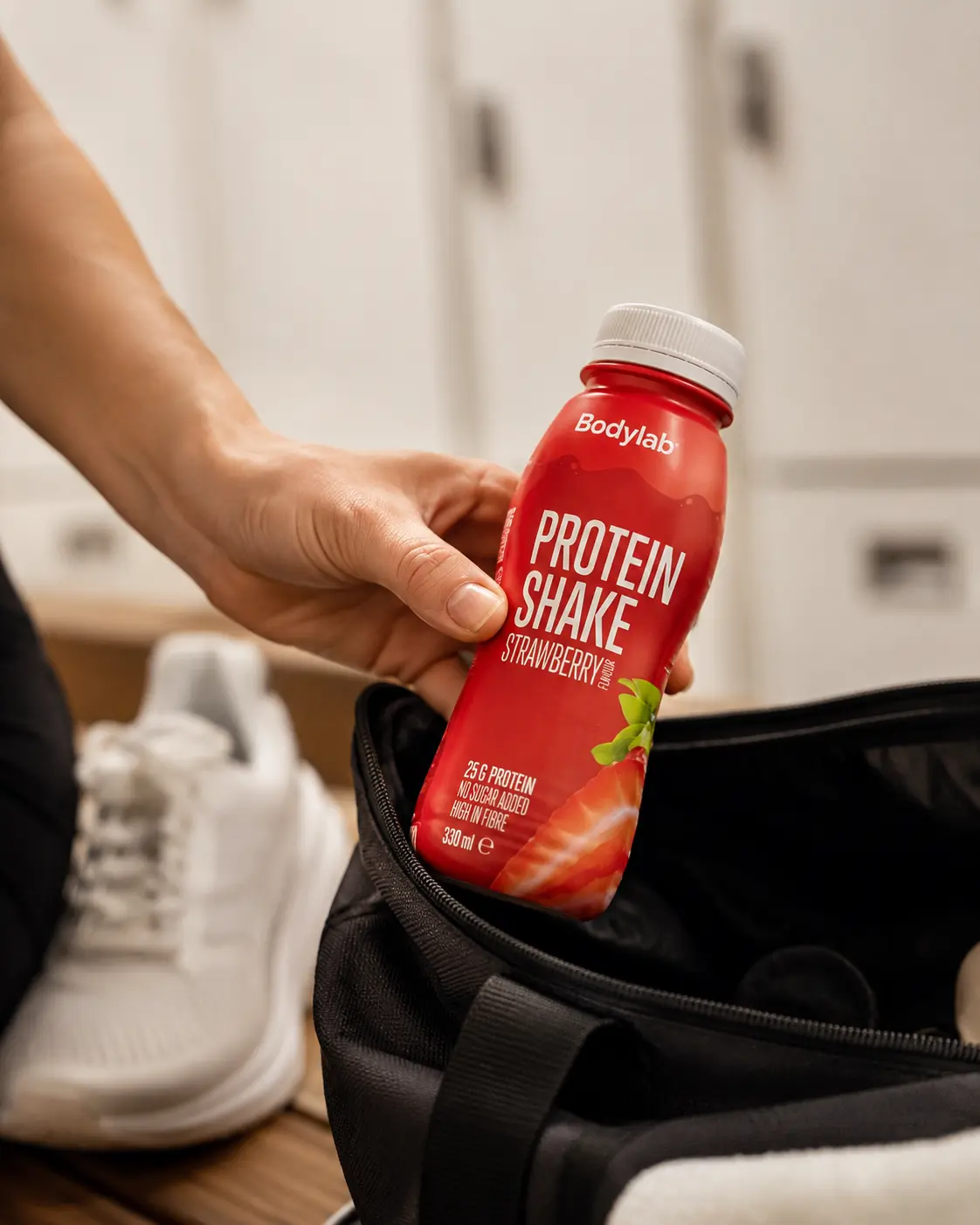
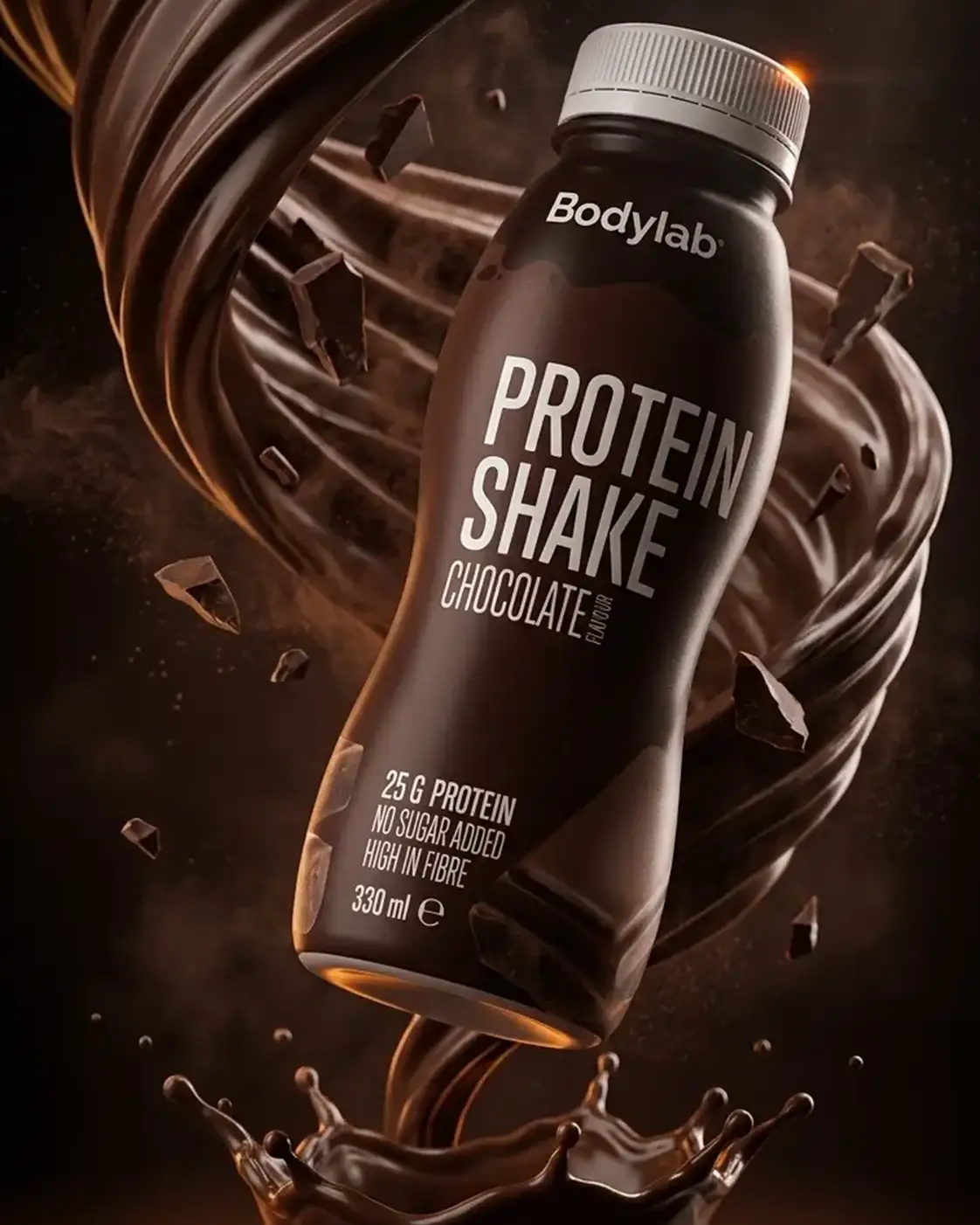
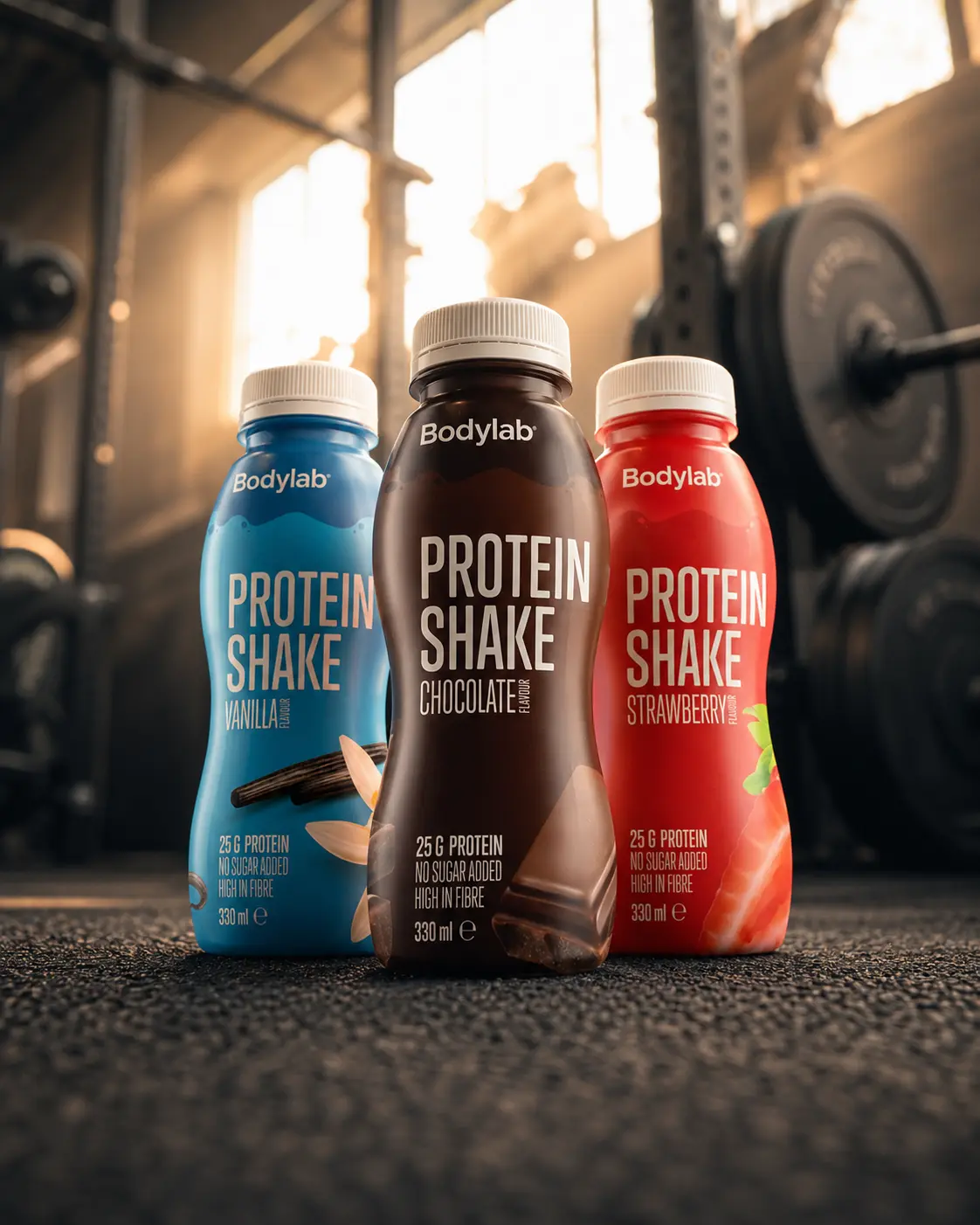
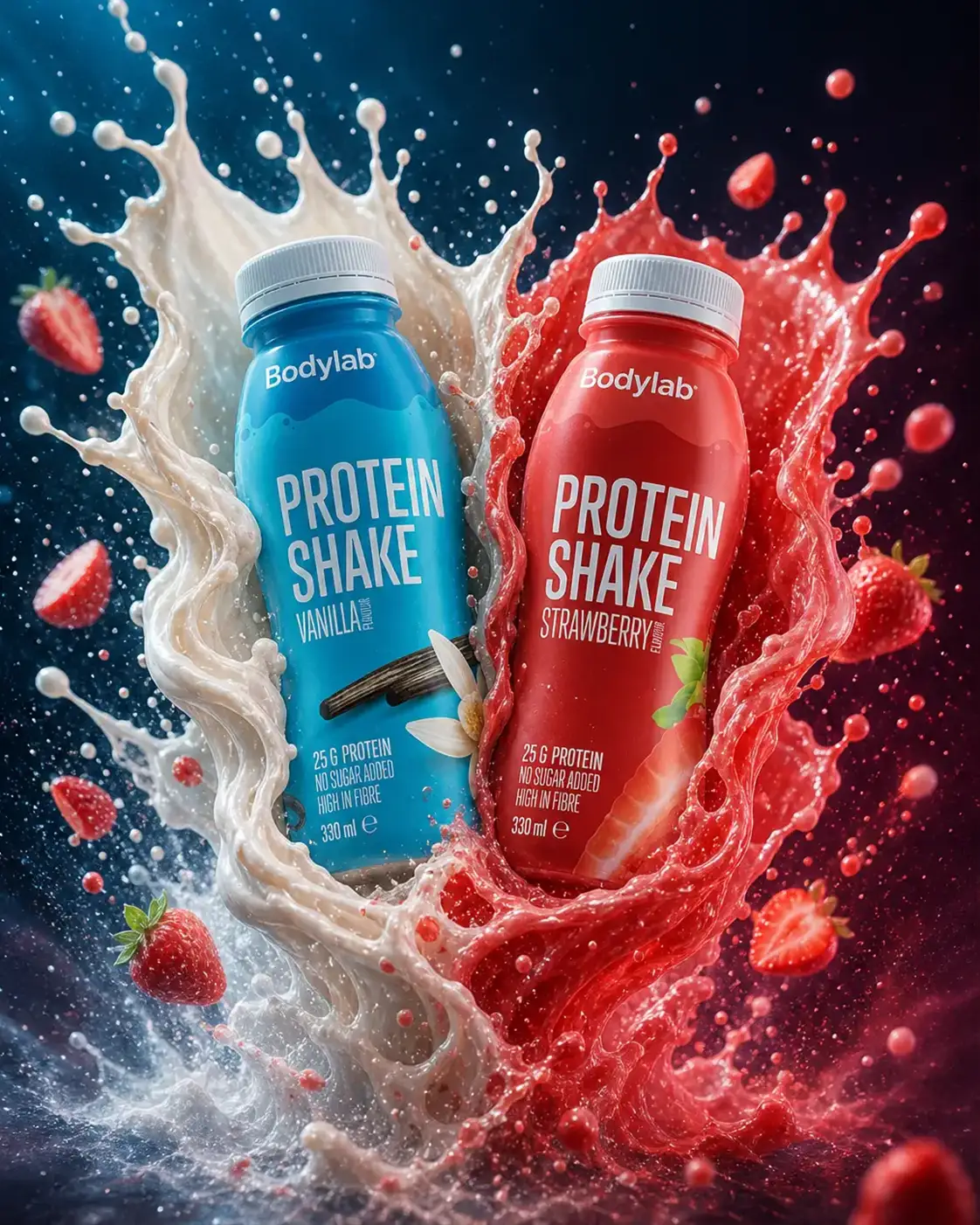
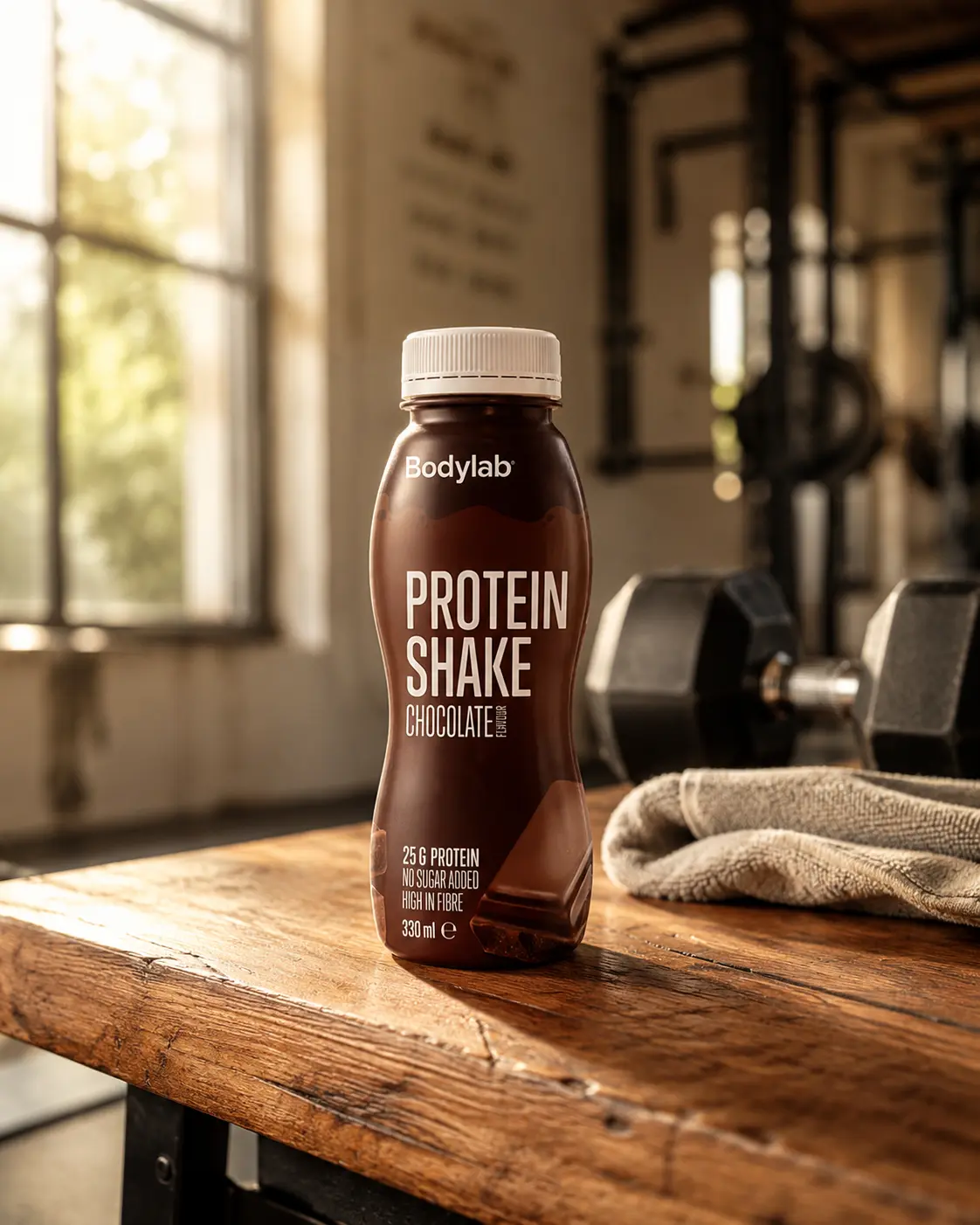
Feed it four plain product photos and it hands back work that looks like an agency made it. A content run that used to take half a day across four tools, or a week of briefs, designers, and copy rounds, now collapses into a single session. And it scales with the folder: start with as many product images as you want, and the workflow stretches to fit.


What This Is, and What It Is Not
AI automation for creative work looks genuinely promising. What it removes is the friction of moving between tools and re-entering the same material over and over. What it does not remove is the need for human expertise. The taste, the judgment at each review step, the direction that decides which version is actually right: that part still belongs to a person.
The automation speeds up the process. The human input still makes the difference in the final result. As a starting point for content production, it is one of the most useful things I have built.
P.S. The visuals from this experiment are unofficial, speculative concepts made for demonstration and portfolio discussion, not commissioned or approved by the brands shown. All trademarks, logos, and packaging belong to their respective owners.
Most Recent Posts...
How Four Rivals Spent Millions to Look Identical in the World Cup 2026
Four Brands, One Color, and the World Cup’s Quietest Marketing...
Read MoreHow Finland Made AI Literacy a Civic Project
How Finland Turned AI Education Into Civic Infrastructure They Skipped...
Read MoreThe All-You-Can-Eat Era of AI Is Over
The all-you-can-eat era of AI is over, and the invoices...
Read More